

Workshop
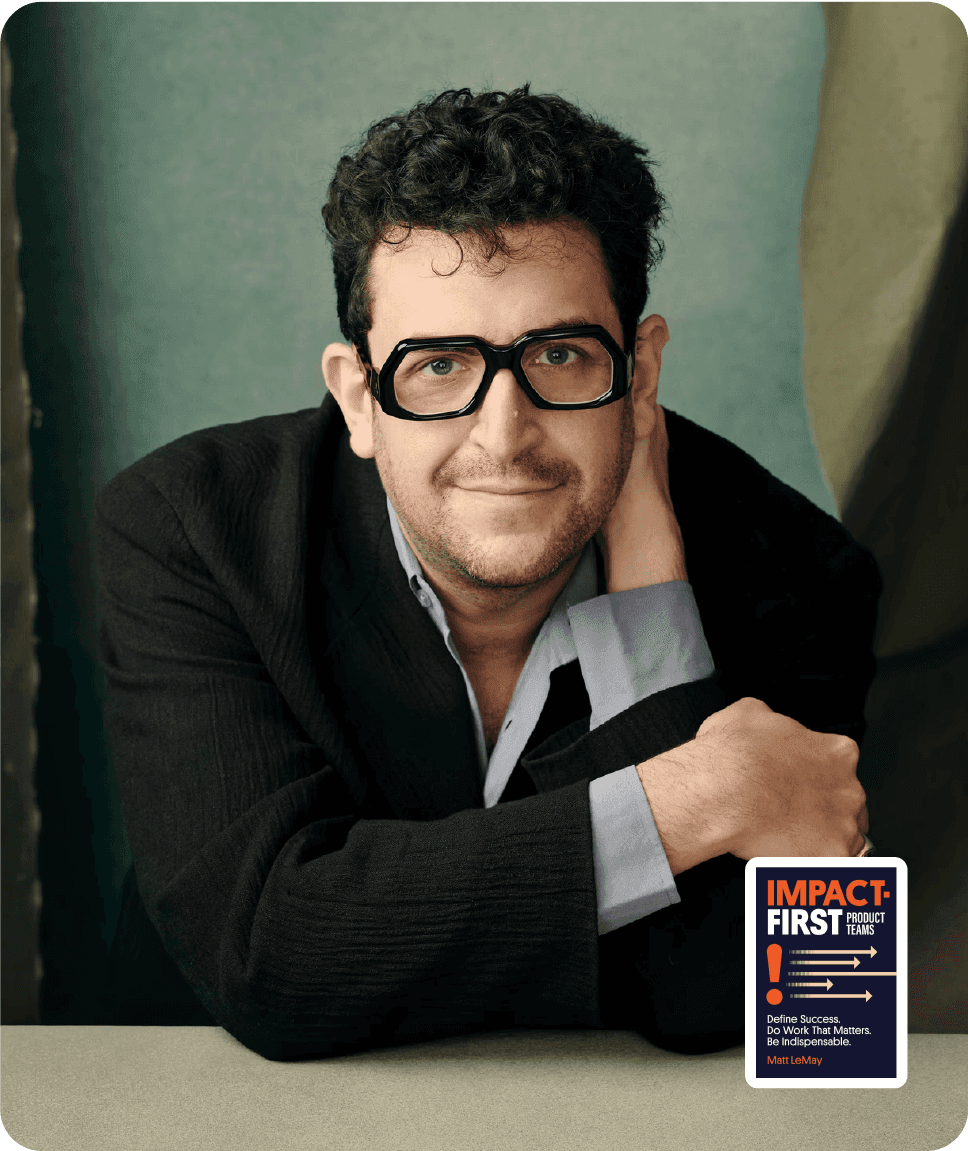
Andre Arrimar
Senior Product Manager at Cofidis
Introduction
André Arrimar is a Product Manager with 5+ years of experience delivering digital solutions that solve real user pain points and drive measurable business outcomes. He's led cross-functional squads in fast-paced Agile environments, with a strong focus on strategy, user experience, and continuous KPI improvement. At Cofidis, he owns the vision and growth of the company’s website and homebanking platform, building high-performing teams from scratch and achieving results.
The Workshop
Across the product industry, roadmaps are still largely treated as delivery artifacts: lists of features, timelines, and commitments that optimize for output rather than impact. These roadmaps assume that the problem is already known, when in reality many product challenges—growth, retention, differentiation—are still unsolved puzzles.
This mindset creates a false sense of progress. Teams become very good at solving the wrong puzzle, shipping features efficiently while learning very little about what actually drives meaningful outcomes.
As markets become more uncertain and competitive, product teams need ways to slow down solution-making and invest more deliberately in puzzle-setting. Roadmaps that frame the problem as an open puzzle—rather than a set of predefined solutions—help teams align on intent, surface assumptions, and decide what needs to be learned before anything is built.
By reframing roadmaps as tools for both puzzle-setting and puzzle-solving, the product and maker community can move toward more adaptive, evidence-based decision-making—and ultimately build products that create real, measurable value.
What You Will Learn
Participants will learn how to reframe product roadmaps from feature-driven plans into tools for setting and solving the right puzzles. They will practice turning ambiguous challenges—such as growth, engagement, or differentiation—into clear problem statements that guide discovery and decision-making.
The workshop will also cover how to apply this approach in real organizations: how to communicate puzzle-based roadmaps to leadership, how to align with sales and delivery expectations, and how to introduce learning-driven planning without losing trust or momentum.
By the end, participants will leave with concrete techniques to design roadmaps that support learning, alignment, and progress—without pretending certainty where it does not exist.